R. Stanley Paving LLC for Expert Paving and Sealcoating Services
Your Dependable Paving Contractor: Excellent Surfaces for Every Project
Picking a dependable pavement professional is fundamental for any project. Quality pavements not only improve visual appeal but also provide durability and security. A reputable contractor combines seasoning with a dedication to utilizing premium materials. Their expertise can greatly impact the outcome. Grasping what to look for in a contractor can be life-changing. Reveal the essential factors that distinguish quality contractors and how they contribute to accomplished paving projects.
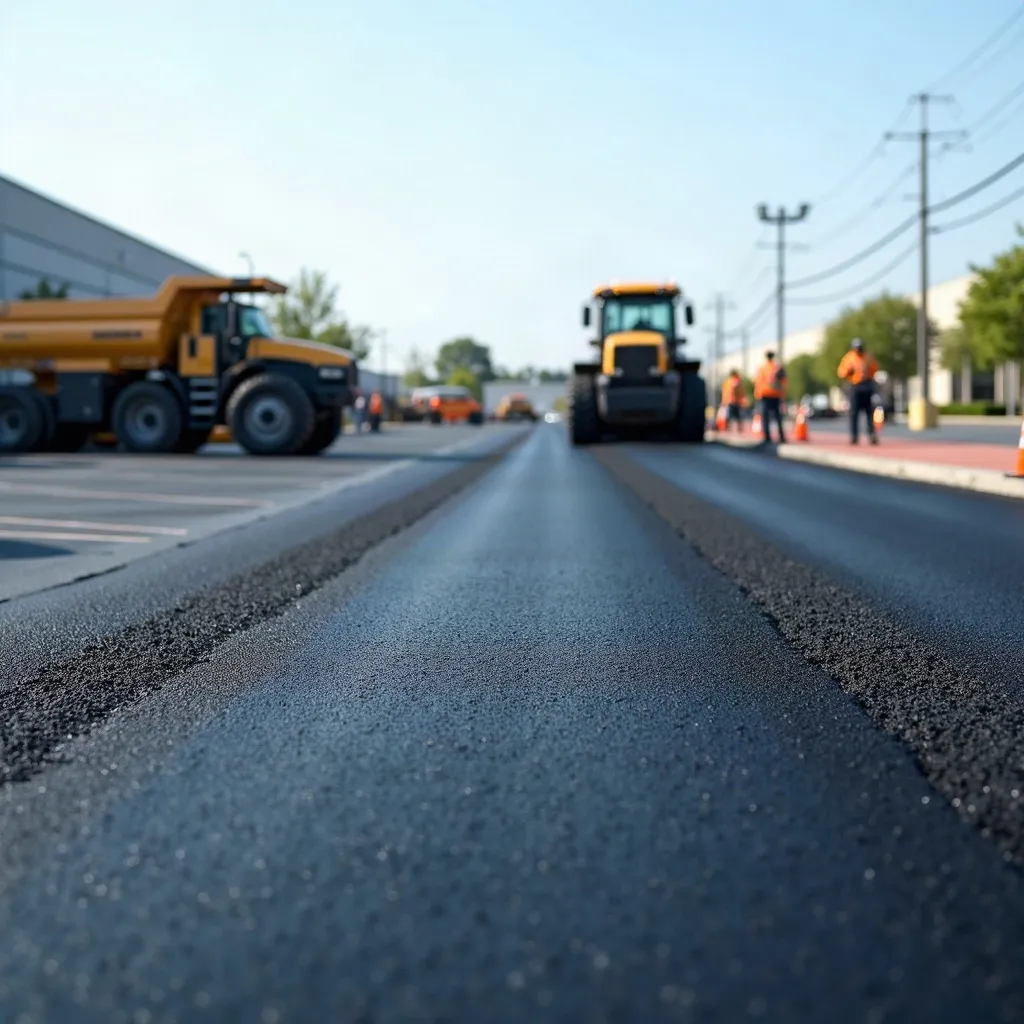
Why Selecting a Dependable Paving Contractor Matters
Picking a dependable paving contractor is vital, as the quality of work can greatly influence the lifespan and visual quality of paved surfaces. A competent contractor assures that materials are correctly selected and applied, lowering the risk of premature wear and damage.
The qualified contractor also adheres to local codes and professional guidelines, which can avoid expensive legal problems or penalties. In further, veteran specialists are well-versed in different soil types, water management needs, and weather factors, facilitating enhanced solutions designed for distinct areas.
Substandard workmanship can result in uneven surfaces, cracking, and safety hazards, which ultimately raise maintenance costs. By choosing a reputable contractor, clients can have confidence in the durability of their investment, knowing it will endure the test of time.
The decision to choose wisely can save both time and money in the long run, rendering it a crucial stage in any paving project.
Crucial Traits of a Credible Paving Contractor
A solid pavement specialist has vital characteristics that guarantee a prosperous project.
Experience and proficiency are critical in addressing the complexities of paving work, while the implementation of high-grade materials provides durability.
Furthermore, on-time project completion shows a contractor's professionalism and commitment to client satisfaction.
Experience and Proficiency
While multiple factors contribute to the selection of a reliable paving contractor, skill and experience stand out as vital qualities. A contractor with ample experience is well-suited to work through the difficulties of numerous projects, ensuring efficient execution and high-quality outcomes.
Their collective expertise allows them to anticipate potential challenges and establish practical fixes. Specialized skills are similarly crucial, as it reflects a contractor's grasp of modern practices and sector regulations.
This blend enables them to provide informed suggestions, enhancing the overall project outcome. Clients can trust experienced contractors to provide superior workmanship, backed by a proven track record.
Ultimately, choosing a contractor with strong experience and knowledge establishes the groundwork for a thriving paving project.
Premium Materials Employed
Superior resources act as the basis of any successful paving project. A trustworthy paving contractor stresses the use of first-rate asphalt, concrete, and stone to assure durability and longevity.
Premium asphalt, for instance, offers robust resistance to weather elements and heavy traffic, minimizing the likelihood of cracks and surface deterioration. Additionally, reputable contractors source materials from trusted suppliers, confirming compliance with industry standards.
This commitment to quality not only improves the visual appearance of the paved surface but also ensures safety and performance. Moreover, utilizing superior materials often results in lower maintenance costs begin here over time, making it a sound decision for clients.
Essentially, the choice of resources demonstrates a contractor's commitment to quality and customer satisfaction.
Prompt Project Completion
Punctual project delivery serves as a signature of a dependable paving contractor. Clients depend on contractors to maintain agreed-upon schedules, ensuring that projects advance steadily and effectively.
A dependable contractor demonstrates strong project management skills, supervising labor, materials, and equipment effectively to meet deadlines. This commitment not only strengthens customer satisfaction but also builds trust and supports long-term relationships.
Moreover, timely delivery reduces interruptions for property owners and surrounding communities, enabling faster entry and usability. Contractors who consistently complete projects on time often stand out in the challenging paving field, illustrating their professionalism and commitment to superior service.
Ultimately, on-time project delivery demonstrates a contractor's reliability and dedication to quality in every paving undertaking.
Paving Services Offered by Your Reliable Contractor
A wide selection of pavement options is critical for any contractor resolved to attaining exceptional outcomes.
A trusted paving contractor generally offers asphalt paving, which is ideal for driveways and parking lots due to its durability and affordability. Concrete paving is another favored option, recognized for its longevity and aesthetic appeal, suitable for both residential and commercial applications.
Furthermore, services may include sealcoating, which shields surfaces from environmental stress and deterioration, and pavement repair, resolving cracks and potholes to maintain safety and functionality.
Certain contractors additionally offer aesthetic pavement solutions, boosting visual appeal through varied designs and tactile elements.
Additionally, earth moving and grading services assure proper site preparation, laying a sturdy groundwork for paving operations.
Why Quality Materials Matter for Your Paving Job
Choosing high-quality materials is necessary for the success of every paving project. The selection of materials strongly influences durability, appearance, and total performance. High-grade asphalt or concrete can resist environmental stresses, minimizing the chance of cracks and top layer deterioration as time passes.
This longevity not only enhances the aesthetic value but also minimizes maintenance costs, offering sustained financial benefits for property owners.
Moreover, the correct materials can enhance safety by offering better grip and minimizing the risk of slips and falls. Quality materials also contribute to effective drainage, avoiding water accumulation that can result in structural issues.
Ultimately, investing in high-grade products provides a long-lasting and visually appealing surface that satisfies the requirements of various uses, from driveways to commercial lots.
Preparing Your Site for Paving
Prior to pavement installation beginning, complete site preparation is necessary to guarantee a successful outcome. This approach comprises several essential steps to confirm the area is suitable for the placement of pavement.
Initially, the existing surface should be cleared of any rubble, plant growth, or shifting elements that could interfere with the paving.
Then, grading the site is required to develop a strong base, allowing correct runoff and preventing future issues including pooling water or cracks.
In addition, it is vital to evaluate the ground conditions. If the soil is too unstable or weak, it may require compaction or the addition of suitable materials to enhance its structural capacity.
Delineating the areas for paving will also help in managing the layout efficiently.
Finally, confirming that utility lines are marked and secured will prevent costly disruptions during the paving process.
Correct site setup establishes the conditions for a resilient and durable paving layer.
What Will You Encounter During the Asphalt Procedure?
What can one expect during the paving process? To begin, a professional paving contractor will evaluate the site to confirm preparedness. This includes verifying the sub-base and ensuring proper drainage.
Following this, the team will start by laying down the preferred material, whether asphalt or concrete. Heavy machinery will typically be utilized to assure an even surface, and this process often entails multiple layers for strength.
After the initial layer is set, it may demand duration to set before additional layers are applied. During this phase, the contractor will track the thermal and humidity levels to maintain ideal conditions.
Once the final surface is installed, it will be compacted to eliminate air pockets and boost stability. Communication is vital; clients should expect regular updates on progress and any potential problems.
Methods for Upkeeping Your Paving Materials for Lasting Performance
Maintaining paved surfaces is crucial for ensuring their longevity and performance.
Attentive maintenance routines, a regular preventative sealant program, and expedient maintenance can greatly boost the pavement's service life.
Daily Cleaning Techniques
Standard upkeep routines greatly enhance the longevity of pavement areas. Consistently sweeping away debris, such as soil and foliage, prevents the buildup of particles that can result in stains and deterioration.
A pressure washer can successfully remove tough marks, algae, and moss while preserving the surface's appearance. It is wise to avoid harsh chemicals that might damage the paving material; instead, using mild detergents is preferred.
Managing spills immediately also minimizes the risk of staining. Ensuring effective drainage helps avert water accumulation, which can weaken the surface over time.
Sealant Implementation Schedule
A consistent seal coating plan is essential for preserving the condition and look of asphalt areas. Generally, it is suggested to seal coat every 2-3 years, based on the surface type and environmental conditions.
Aspects like solar radiation exposure, heavy traffic, and intense weather conditions can impact the persistence of the sealant. Before use, surfaces should be thoroughly cleaned to remove debris and stains. This guarantees proper adhesion and effectiveness of the sealant.
Moreover, selecting high-quality sealant products can fortify defense against moisture and deterioration. Scheduling coatings during mild weather can also optimize results, as severe temperatures may impact curing.
Rigorous maintenance of this timeline can markedly prolong the life of paved surfaces.
Quick Repairs and Covering
Quick repairs and patching are key to preserving the longevity of paved surfaces. Fixing minor cracks and potholes quickly can avert extensive damage, preserving both time and resources.
Assessments on a routine schedule are critical; spotting problems early facilitates rapid responses. When applying patches, it's necessary to apply superior materials that align with the existing surface to assure a flawless repair.
Additionally, maintaining proper drainage is crucial to avoid water buildup, which can worsen surface damage. Implementing a routine maintenance schedule, which includes sealing and cleaning, will further enhance durability.
In the end, a proactive approach to upkeep not only protects the soundness of paved surfaces but also extends their durability, making certain they remain usable and attractive for years to come.
Frequently Requested Questions
How long Does the Paving Process Typically Take?
The asphalt laying usually takes one to three days, based on the size and complexity of the work. Factors like weather conditions, site preparation, and material selection can affect the overall schedule, making each project uniquely variable in its length.
What Types of Payment Options Do You Process?
The contractor receives various payment methods, such as credit cards, cash, and checks. In addition, financing plans may be offered up, enabling freedom for clients to choose a payment solution that best suits their economic circumstances.
Are Guarantees Available on Your Services?
Yes, guarantees are provided on their projects, guaranteeing customer contentment and confidence in the caliber of supplies and craftsmanship. These warranties differ by type of project, providing peace of mind for clients putting money in paving work.
Will you be able to supply recommendations from prior customers?
Yes, citations from previous clients are accessible upon request. They underscore the contractor's devotion to excellence and customer satisfaction, displaying successful projects that validate both competence and dependability in paving services.
In What Fashion Do Weather Conditions Shape the Paving Schedule?
Climatic conditions significantly impact pavement scheduling. Rain, extreme temperatures, and humidity can cause delays, impacting material curing and adhesion. Contractors must carefully track atmospheric predictions to adjust schedules and provide ideal paving conditions for durability.