What to Look for in a Beacon top Paving Contractor for Durable Driveways
Paving Solutions: Boost Your Property With Experienced Paving Services
Professional paving services offer notable advantages for real estate enhancement. They not only enhance aesthetics but also boost functionality. Choosing the appropriate materials, such as asphalt or interlocking pavers, can ensure durability and style. The installation process is critical for achieving lasting results. Yet, many homeowners overlook essential maintenance practices that can extend the life of their investment. Understanding these elements is essential for making informed decisions about outdoor spaces. What comes next may astonish you.
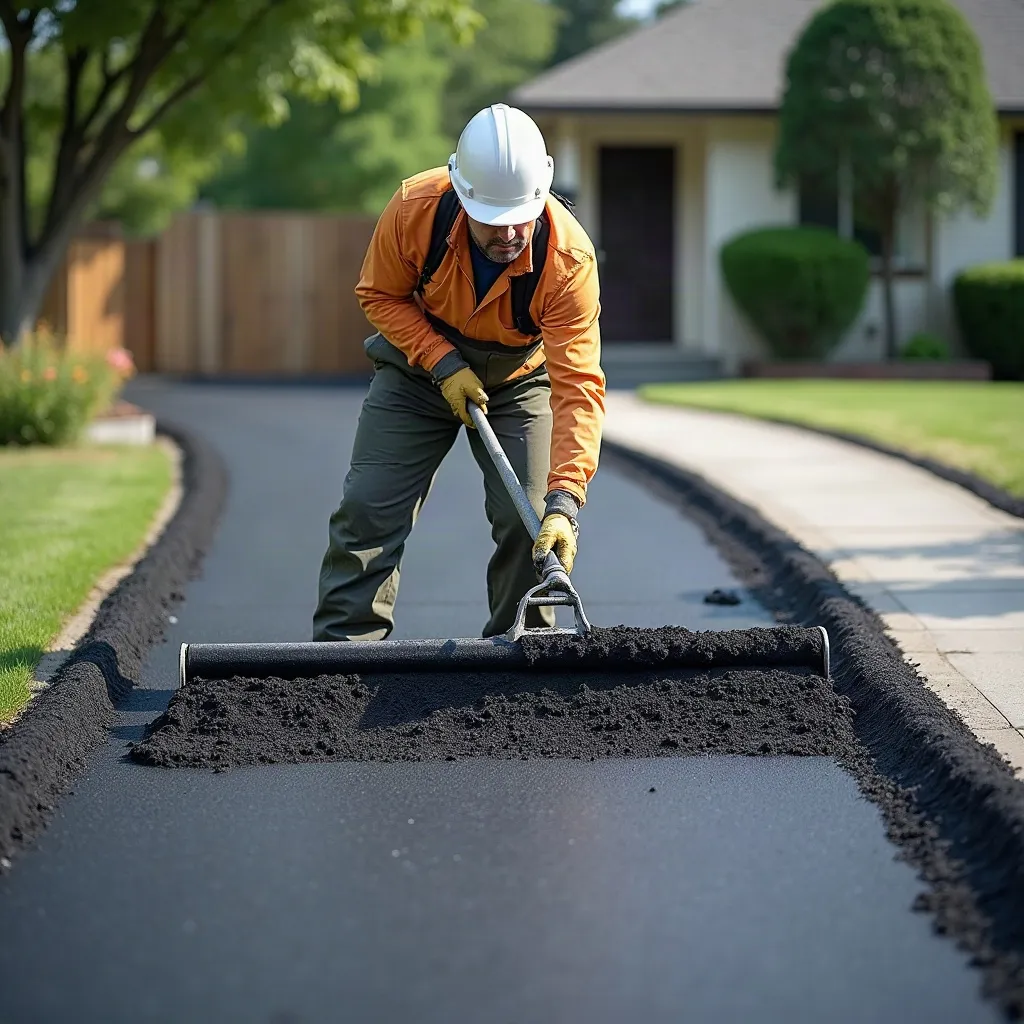
Why Expert Asphalt Services Enhance Your Property
Professional pavement services enhance outdoor spaces, improving both functionality and aesthetics. By leveraging expert methods and modern equipment, these services guarantee the careful groundwork and setup of various pavement types. This meticulous focus results in durable, lasting outcomes that resist wear and tear while maintaining visual appeal.
Furthermore, professional paving enhances home worth, creating appealing walkways, driveways, and patios that appeal to potential purchasers. A properly paved surface improves safety by minimizing hazards like uneven surfaces and thick dirt, contributing to a more pleasant outdoor setting.
In addition, proficient experts can furnish specialized designs adapted to user preferences, establishing that each project coheres with the property's distinctive nature.
Pick the Optimal Paving Materials for Your Project
In what ways can property owners identify the most appropriate paving materials for their projects? Selecting the correct material matters for both looks and function.
First, property owners should reflect on the specific use of the paved area. For driveways, durable materials like asphalt or concrete are often recommended due to their strength and longevity. In contrast, for patios or walkways, possibilities including pavers or bricks can showcase artistic value and multipurpose capability.
Next, environmental conditions serves as a major role. Regions with intense precipitation may profit from permeable materials that allow for superior water management, minimizing the risk of flooding.
Also, upkeep demands should be appraised; some materials require more maintenance than others.
Ultimately, budget limitations will shape the selection. While high-quality materials may necessitate a bigger initial outlay, they frequently produce long-term savings through durability and decreased maintenance costs.
Thus, careful study of these factors will lead property owners toward making prudent decisions.
Asphalt Paving Rewards
Asphalt paving represents a leading choice for homeowners pursuing durable and affordable solutions for their driveways and walkways. One of its main advantages is its durability; asphalt can withstand heavy traffic and harsh weather conditions, making it perfect for residential use.
Additionally, asphalt is quite cost-effective versus other paving materials, enabling homeowners to attain a high-quality appearance without spending excessively. The installation process is also efficient, typically completed within a day, reducing disruption to daily life.
Moreover, asphalt is hassle-free to care for, needing only periodic maintenance coatings to prolong its useful life. These merits make asphalt paving a practical and sound option for improving property aesthetics and operational efficiency.
Interlocking Paver Perks
For those interested in paving alternatives, interlocking pavers display obvious advantages that elevate both aesthetic value and functionality.
These adaptable pavers come in various shapes, colors, and textures, allowing for innovative design opportunities that can suit any property style. Additionally, interlocking pavers provide excellent durability, withstanding cracking and shifting, which is particularly valuable in regions with fluctuating temperatures.
In addition, their specialized form encourages efficient water drainage, reducing the risk for flooding and erosion. This water-absorbing quality also advances green practices by allowing rainwater to refill groundwater supplies.
In the end, the straightforward installation and maintenance makes interlocking pavers a practical choice, making it possible for homeowners to enjoy their beautiful surface without excessive upkeep.
Starting Site Appraisal
Which components influence the preliminary site inspection for paving installation? Several key elements come into play during this critical stage. First, the land’s topography is analyzed to identify any slopes or drainage problems that might affect the paving process. Next, the current soil conditions are assessed, since different soil types influence stability and durability. Additionally, site accessibility is taken into account to determine how equipment and materials will be transported. Local regulations and zoning laws are examined to ensure compliance. Lastly, existing structures and vegetation are assessed to account for any necessary removal or protection. This detailed evaluation sets the foundation for a successful paving project, making sure that all possible challenges are addressed from the beginning.
Installation Stages Described
With a comprehensive site assessment completed, the paving placement procedure can start.
The initial stage involves site preparation, where any old materials are removed and the ground is leveled. Then, a base layer is fitted, typically made of loose rock or crushed stone, which creates durability and moisture control.
Next, the chosen paving material—such as asphalt or concrete—is laid down. This stage demands meticulous work to ensure a even surface and proper alignment.
After the asphalt surface is installed, compaction occurs to increase durability. Finally, curing takes place, allowing the material to solidify properly.
Throughout the procedure, consult this source clear dialogue with the property owner is crucial to address any concerns and guarantee contentment with the final result.
Pavement Maintenance Recommendations for Extended Lifespan
Even though asphalt areas are created for durability, consistent upkeep is vital to guarantee their extended life. Periodic evaluations must be executed to spot damage, deterioration, or surface degradation. Timely fixes can stop further damage and increase the useful life of the asphalt.
In addition, keeping the surface clean is vital; debris, leaf litter, and soil can capture moisture, resulting in deterioration. Regular sweeping and intermittent power washing help maintain a spotless appearance and effectiveness.
Applying sealant every few years can preserve the surface from weathering and UV damage, while also elevating its aesthetic appeal.
Finally, addressing drainage issues is important. Proper drainage systems prevent water accumulation, which can weaken the paving material over time.
How to Identify a Trustworthy Paving Contractor
Locating a dependable paving contractor is a essential step for property owners working to install or enhance their paving surfaces. To get started, individuals should ask for recommendations from acquaintances, loved ones, or neighboring enterprises that have in recent times completed paving projects. Online reviews and feedback can also deliver insights into a contractor's reputation.
Once potential contractors are located, it is essential to confirm their qualifications, such as licenses and insurance. A professional builder should provide a comprehensive written quote that outlines the project parameters, materials, and timeline.
Moreover, asking for references from clients can help determining the contractor's dependability and caliber of work. It's equally important to question warranties on materials and workmanship.
In conclusion, advancing candid communication and transparency during initial consultations can create a solid partnership built on trust, leading ultimately to a well-executed paving endeavor that exceeds expectations.
Common Questions Asked Often
How long Will a Standard Paving Project Require to Finish?
A standard asphalt project generally requires 1-3 days to finish, based on factors such as the project's size, intricacy, climate, and preparation requirements. Effective planning can help streamline the work efficiently.
What Approvals Do You Need for Paving Installation?
Typically, paving installation requires permits such as local construction permits, zoning clearances, and environmental reviews. Rules vary by location, so contacting local authorities guarantees compliance with required legal standards for the undertaking.
Can Asphalt Laying Work in Winter or Damp Conditions?
Paving can be challenging during winter or rainy seasons due to thermal and humidity issues. Cold weather can impede proper curing, while excessive rain may cause surface issues, leading to potential long-term damage. Thoughtful preparation is crucial.
What Should I Do if My Pavement Develops Cracks?
If pavement fractures, the initial action is to evaluate the harm. Subsequently, clear the region completely, fill the cracks with appropriate sealant, and think about expert services to avoid further deterioration and maintain protection.
What methods can I use to check whether my pavement specialist is properly licensed?
To figure out whether a paving contractor is licensed, you need to verify their credentials through local licensing boards, request a copy of their license, and check for insurance coverage, making certain they meet industry regulations and safety standards.